

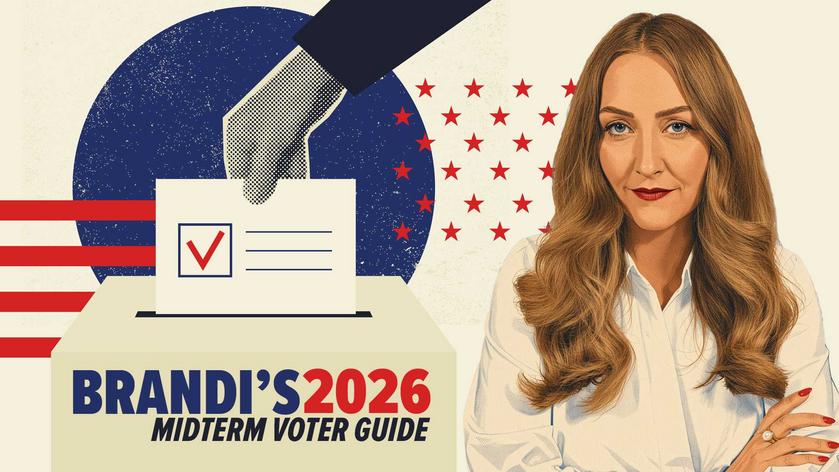
Welcome to unDivided’s 2026 Washington State voter guide. Below are voting recommendations for key races, which should not be construed as personal endorsements.
Not all congressional or legislative races are listed. Instead, unDivided is focusing on battleground races, swing seats, or races that could have wider implications on state or national policy.
I-645: The income tax repeal
Recommendation: Vote YES
Rationale: In addition to being unconstitutional, Olympia’s new income tax on “millionaires” is a gateway to creating a state income tax on all. Washingtonians who don’t want an income tax would be wise to vote YES to repeal the existing law before it expands.
I-638: Protecting girls’ sports
Recommendation: Vote YES
Rationale: It’s common sense. Boys have an indisputable physical advantage over girls. That's why boys and girls have separate categories for competition. Current state policy is an insult to the hard-earned protections of Title IX, and to the hundreds of girls who have lost opportunities and podium spots to boys. I-638 does not ban anyone from competing in high school athletics. Instead, it requires athletes compete in the category that aligns with their sex, verified during routine sports physicals that are already mandated by the Washington Interscholastic Activities Association.
I-001: Strengthening parental rights
Recommendation: Vote YES
Rationale: We have covered many stories of parents being kept in the dark about what’s happening with their kids at school – sometimes, with tragic consequences. Entering your child into the public education system should not mean that you sacrifice your right to know what’s happening in their lives. There are already laws on the books that protect kids from abusive home environments. It should not be up to teachers or school counselors to decide whether parents who don’t fall into that category still pose a risk to their own child’s wellbeing.
Washington State Supreme Court Races
Below are recommendations for the five State Supreme Court races on your ballot. In addition to all five recommended candidates being qualified for the job, each has expressed adherence to the Washington State Constitution as a critical judicial philosophy. This court will eventually weigh in on the constitutionality of a state income tax – let’s ensure the justices making that decision respect the plain reading of Article VII, Section 1.
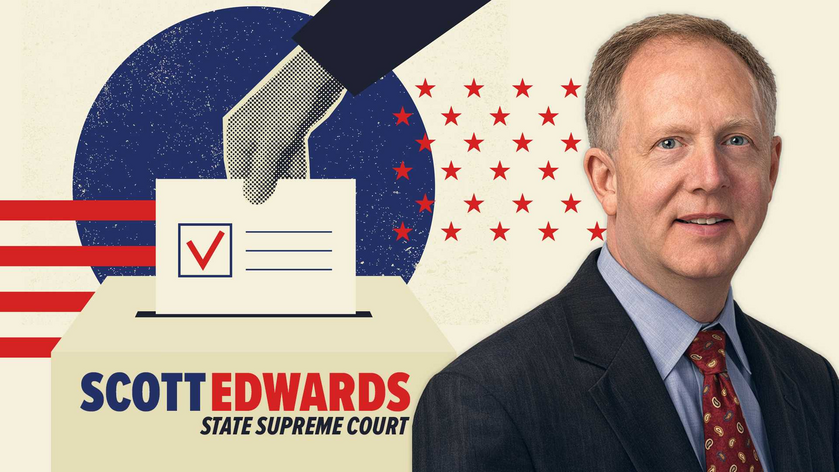
Position 1: Scott Edwards
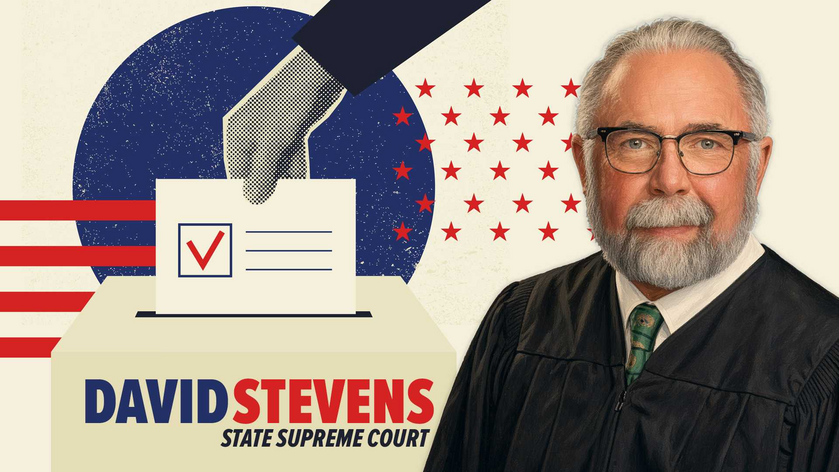
Position 3: David Stevens
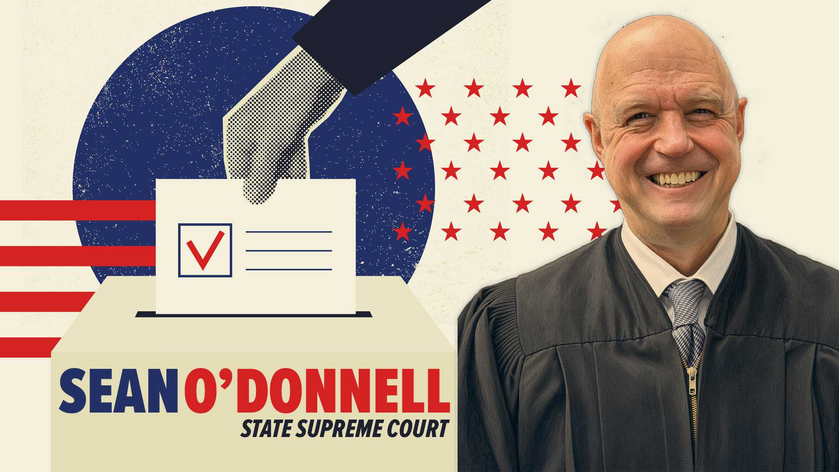
Position 4: Sean O'Donnell
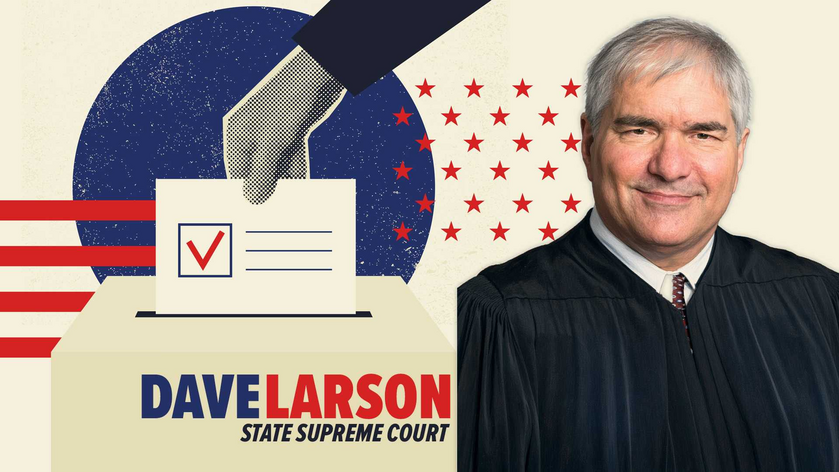
Position 5: Dave Larson
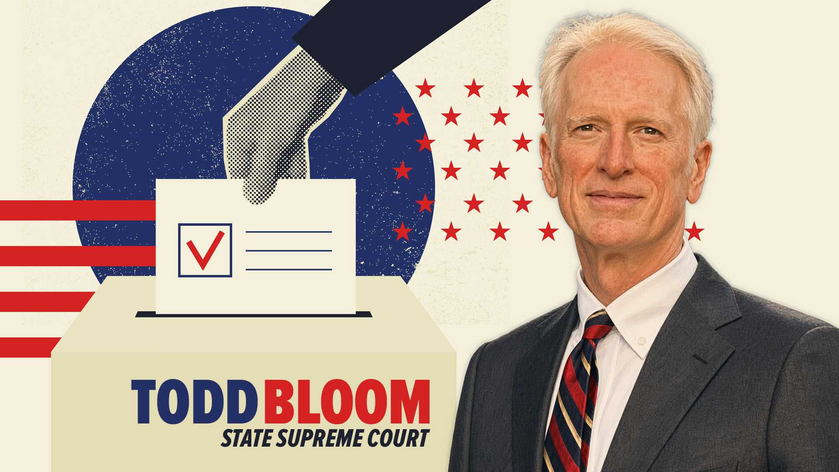
Position 7: Todd Bloom
U.S. House of Representatives
Balance of power is on the ballot. In Washington state, there are two remaining swing districts: 8 and 3. Here are my recommendations.
Congressional District 8
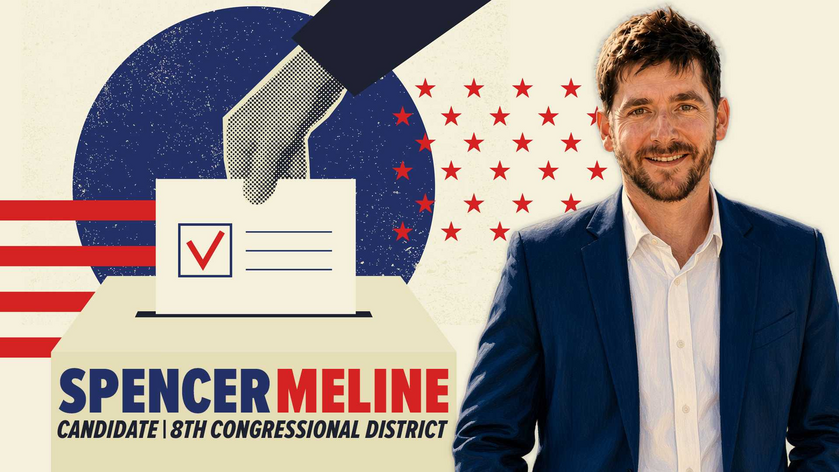
Recommendation: Spencer Meline
Rationale: For some reason, the Republican Party has all but written off the 8th Congressional District, which was red up until 2018. I think it's winnable if the state and national GOP give it the attention it deserves. It might be too late this time around, but Spencer Meline deserves your strong consideration. A small business owner, Spencer wowed me with his knowledge of the issues, understanding of the district's diverse population and problems, and the refreshingly respectful treatment of his opponent. More broadly, this recommendation is based on the need for Republicans to retain control of the House through President Trump's term. America cannot return to the days of open borders, lawlessness, and radical gender ideology. Trump has a lot more work to do to put that crazy period behind us, and he can't do it with divided government. I understand gas prices are high, but the long-term stakes for our country are higher.
Congressional District 3
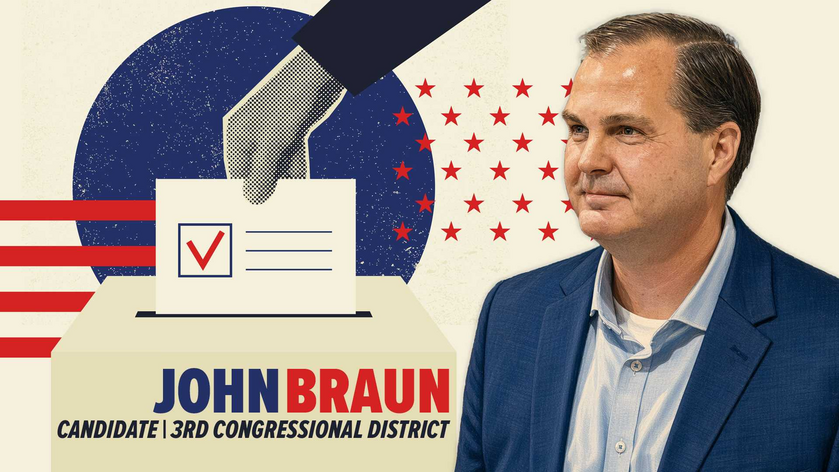
Recommendation: John Braun
Rationale: John Braun is one of the most intelligent lawmakers I've ever met. Calm, kind, and deliberate - he would be a welcome additional to the often-unruly crowd in Congress. While his opponent, Marie Gluesenkamp Perez, has attempted to position herself as a moderate in recent months, she has refused to stand up to her party on some of its most extreme positions (like boys in girls' sports).
State Legislative Races
While there are many important legislative races on the ballot, most are occurring in either safe Republican or safe Democratic districts. Below are my recommendations in some of the tightest races.
State House of Representatives
12th District Pos. 1: Brian Burnett (R)
12th District Pos. 2: Mike Steele (R)
14th District Pos. 1: Gloria Mendoza (R)
14th District Pos. 2: Deb Manjarrez (R)
17th District Pos 1: Kevin Waters (R)
17th District Pos 1: Kevin Stuebe (R)
18th District Pos 1: Stephanie McClintock (R)
18th District Pos 2: John Ley (R)
23rd District Pos. 1: Daria Ilgen (D)
25th District Pos 1: Michael Keaton (R)
25th District Pos. 2: Cyndy Jacobsen (R)
26th District Pos. 1: David Olson (R)
26th District Pos. 2: Katy Cornell (R)
29th District Pos. 1: Melanie Morgan (D)
35th District Pos. 1: Dan Griffey (R)
35th District Pos. 2: Travis Couture (R)
42nd District Pos. 2: Justin Pike (R)
48th District Pos. 2: Amy Walen (D)
State Senate
5th District: Michelle Bennett (R)
32nd District: Jesse Salomon (D)
35th District: Drew MacEwen (R)
42nd District: Erika Creydt (R)
Other Races
Pierce County Charter Amendment 53: Reject
Pierce County Council District 7: Mike Solan
King County Assessor: Dominique Scarimbolo
Yelm Community Schools Prop. 1: Vote YES
Key Election Deadlines
October 26: Online and mail registrations must be received 8 days before Election Day. Register to vote in person during business hours and any time before 8:00 p.m. on Election Day.
November 3: Deadline for Washington State voter registration or updates (in person only).
November 3: Deposit your ballot in an official drop box by 8 p.m. on Election Day.